The SAP Analytics Cloud solution brings together analytics and planning with integration to SAP applications and access to heterogenous data sources. As the analytics and planning solution within SAP Business Technology Platform, SAP Analytics Cloud supports trusted insights and integrated planning processes enterprise-wide to help make decisions without doubt.
$36
per month per user
SAP Integrated Business Planning
Score 8.4 out of 10
N/A
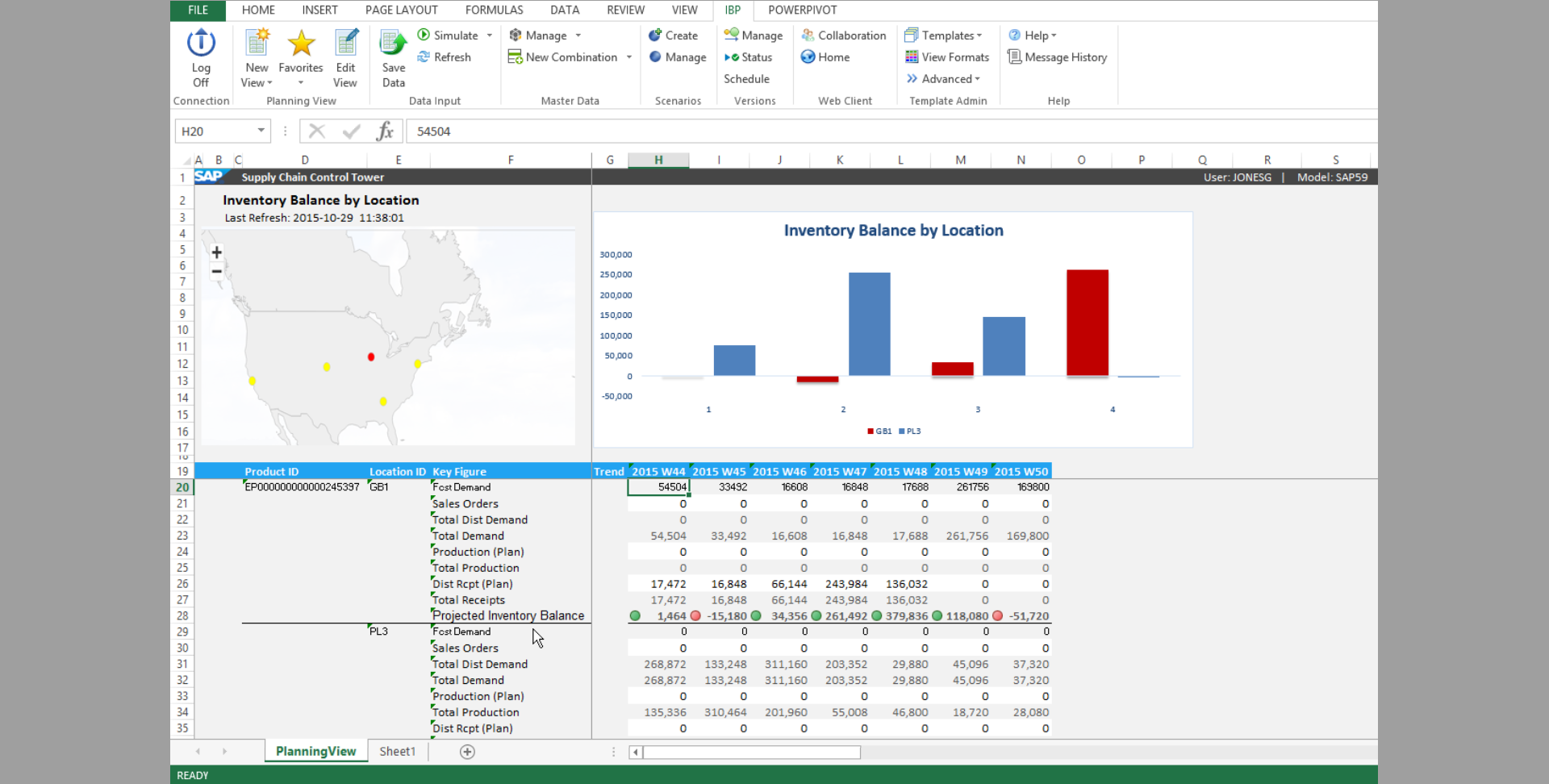
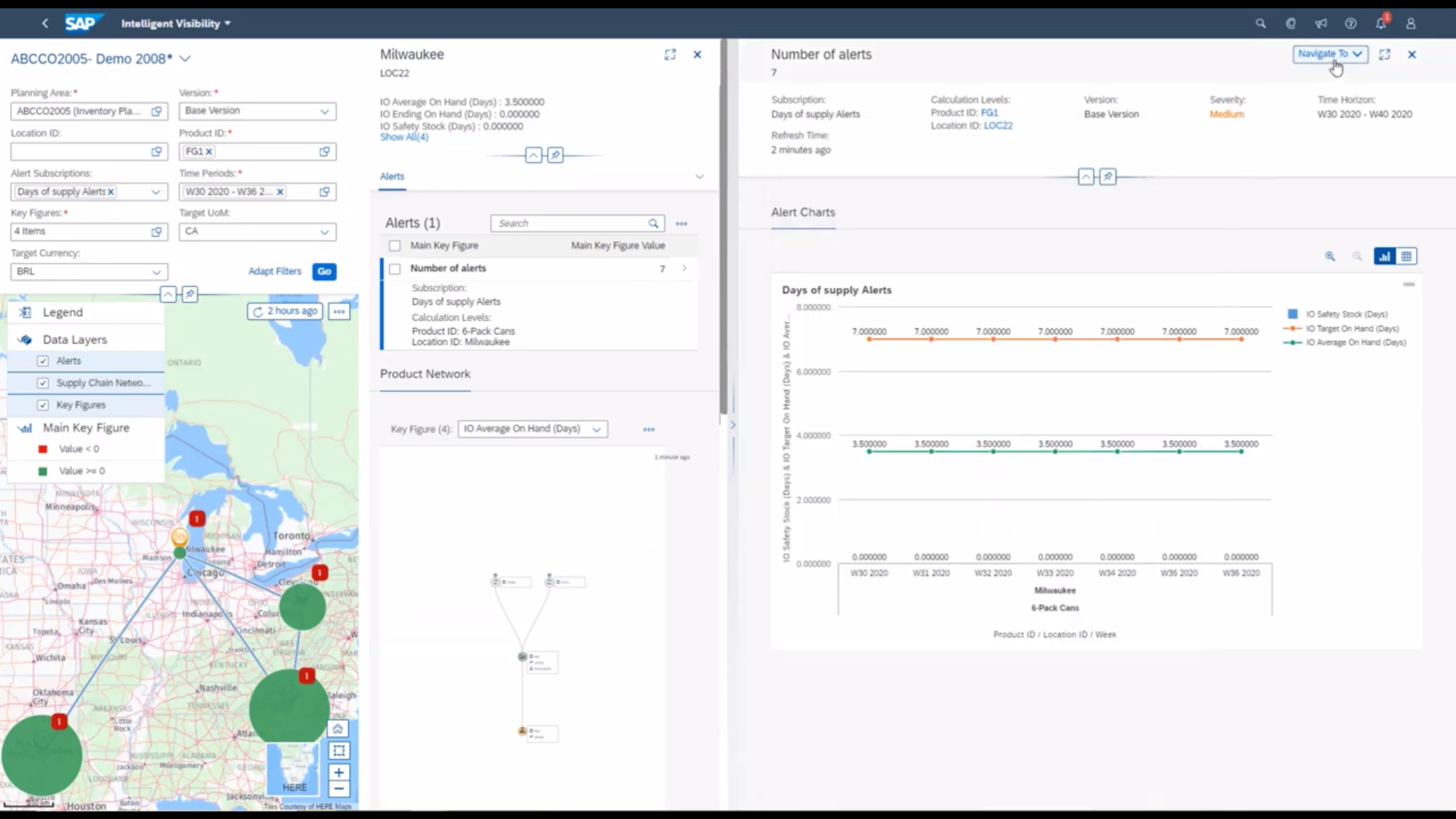
SAP supports supply chain management with Integrated Business Planning, the company's real-time cloud-based supply chain planning platform supporting demand response, supply planning and inventory management oriented features, with supply chain analytics to support decisioning.
N/A
Pricing
SAP Analytics Cloud
SAP Integrated Business Planning
Editions & Modules
SAP Analytics Cloud for Business Intelligence
$36.00
per month per user
SAP Analytics Cloud for Planning
Price upon request
per month per user
No answers on this topic
Offerings
Pricing Offerings
SAP Analytics Cloud
SAP Integrated Business Planning
Free Trial
Yes
No
Free/Freemium Version
No
No
Premium Consulting/Integration Services
No
Yes
Entry-level Setup Fee
No setup fee
Optional
Additional Details
A 30-day trial with SAP Analytics Cloud is available, supporting analytics enterprise-wide. A trial can be extended up to 90 days on request.
It has been a while since we have evaluated inventory and planning related SAAS products. We have primarily evaluated the level of effort to custom build tools to support the planning team. The maintenance and flexibility required for each business area made it so that we did …
SAP Analytics Cloud is great for big companies that want advanced data analysis and planning, especially when they need to work together in real-time or when people need to access data on their phones. It's like a super tool for predicting future trends in industries like retail or finance. SAC also works well for companies that use different types of computer systems because it can easily connect them. But, for small businesses that only need basic reports or don't have a lot of technical resources, a simpler tool might be better. If a company doesn't always have a good internet connection or if they're just starting with analytics, there might be other tools that work better.
One of the best parts is how it is suited to global or multi-site organizations with complex supply chains. It just operates across multiple regions with various manufacturing facilities, and that too with very much ease; it is simple, solid and very reliable in terms of working when the logistics is an issue and fetches data and insights very quickly.
It makes it easier yo analyse order and related records easily.
We can easily maintain and track the performance of employees in organisation.
Can easily track various aspects for the growth of an organisation thus allowing real time analysis and tracking of organisation's growth and performance.
SAC supports various data sources, but improvements in the ease of connecting to and integrating with certain data repositories, especially non-SAP databases, would enhance the platform's versatility and integration capabilities.
An offline mode for SAC could be valuable for users who need to access and analyze data without an internet connection. Additionally, optimizing performance for large datasets and complex visualizations would contribute to a smoother user experience.
The system does not work as smoothly when processing large volumes of data. There are processing delays when we are busy planning.
Moreover, because inventory exceptions are not automatically alerted, employees have to check them manually, which takes extra time. Upgrades in these sections could raise our operational efficiency.
We are planning to review the licensing as we have issues with SAC dealing with huge datasets. Analytics area is good for import models but when we have live connections in place that's when we have issue with SAC dealing with huge datasets in live be it BW or be it HANA models in the backend.
On a scale of 1 to 10, I would rate 8 SAP Analytics Cloud's overall usability as a 7. SAC has a clean, modern user interface with drag-and-drop features. It is an integrated platform that combines reporting, planning, and predictive analytics in one tool. It has Real-time connectivity with SAP data sources like S/4HANA.
Self-service analytics capabilities allow non-technical users to build simple dashboards.
User experience has various issues, from the way to represent data on the Dashboard to complex graphical interfaces for making the right report of something that is easiest to make on other similar platforms. SAP Integrated Business Planning is difficult to integrate into other operating systems and ecosystems. Activity planning, in some cases, is confused, and access is limited if customers or end-users don´t use the platform over the internet using a desktop computer.
I would rate SAP Analytics Cloud an 8 out of 10 for scalability. It offers a flexible, cloud-based architecture that supports expansion across departments and geographies. The platform adapts well to growing data volumes and user needs, making it a strong choice for organizations looking to scale analytics capabilities efficiently.
I would rate SAP Analytics Cloud’s performance an 8 out of 10. Pages generally load quickly, and reports run within a reasonable time frame, even with complex datasets. Integration with other systems is smooth and doesn’t noticeably affect performance. Overall, it’s a responsive and efficient tool for business analytics. But
Since the implementation stage, the support team has been very helpful and assisting. Even in the later stages, the tech team had quite a rapid response. In general, SAP has provided us with great customer support, let it be for a specific product of SAP or for integration of different modules.
SAC is a simple solution ad it works fine when connecting it to other SAP tools. On the other hand, connecting it to third party solutions brings difficulties when there's no previous design and the objetives are not clear. It is really important to integrate Business users from the start to provide with valuable business insights
Set up a supply chain strategy. Define your north star. Follow it with good consultants. Get know how from consultants with a deep know how in the system. Do proper change management.
SAP Analytics Cloud vs. Microsoft Power BI:Cost: Power BI is often perceived as a cost-effective solution, especially for organizations already using Microsoft products. SAP Analytics Cloud might be seen as a higher-cost option.Integration: SAP Analytics Cloud may have an edge in integration with SAP systems, while Power BI is known for its broad integration capabilities, including seamless integration with other Microsoft tools.Usability: Power BI is often praised for its user-friendly interface and quick adoption, while SAP Analytics Cloud may be seen as offering more advanced features.
System integration: CPI DS landscape allowed to integrate with the SAP ECC and SAP S4HANA with ease. Ecosystem: As most of the systema were of SAP landscape, choosing SAP Integrated Business Planning has given a sense of confidence. Higher Futuristic roadmaps: SAP Integrated Business Planning had gen AI and AI incorporated roadmap making it more impressive.
I would rate SAP Analytics Cloud an 8 out of 10 for scalability. It offers a flexible, cloud-based architecture that supports expansion across departments and geographies. The platform adapts well to growing data volumes and user needs, making it a strong choice for organizations looking to scale analytics capabilities efficiently.
Many manual data manipulations and exports in Excel have been replaced by the tool, providing management with improved insight into the amount of time spent at each stage of an invoice's lifetime, allowing bottlenecks to be discovered.
We now have more insight into the data, and people with little technical experience can easily build stories.