Chose Coda by Grammarly
I don't know why leadership choose Coda over Google, but I do see the value in the organization as well as diversity of what you can do with pages designs and integrations

| Product | Rating | Most Used By | Product Summary | Starting Price |
|---|---|---|---|---|
 Coda by Grammarly | N/A | Coda, acquired by Grammarly in early 2025, is a template-based document creation and collaboration solution, supporting a variety of use cases. | $0 per month | |
 Slack | N/A | Slack is a group messaging or team collaboration app that aims to simplify communication for businesses. Features include open discussions, private groups, and direct messaging, as well as deep contextual search and message archiving, and file sharing. Slack integrates with a number of other tools, such as MailChimp, Dropbox, and Google Drive. Slack was acquired by Salesforce in December 2020. The product is free to use, and also has paid plans with more features and greater controls. The… | $8.75 per month per user |
| Coda by Grammarly | Slack | |||||||||||||||
|---|---|---|---|---|---|---|---|---|---|---|---|---|---|---|---|---|
| Editions & Modules |
|
| ||||||||||||||
| Offerings |
| |||||||||||||||
| Entry-level Setup Fee | No setup fee | No setup fee | ||||||||||||||
| Additional Details | With Coda, you only pay for Doc Makers. Often one person creates a doc, others edit it, and some simply observe from afar. Instead of charging for everyone, we only charge for the people who create docs. Interested in enterprise pricing? Visit coda.io/enterprise | *Per active user, per month, when paying once a year. Pro is $8.75 USD per active user when paying month to month. Business+ is $15.00 USD per active user when paying month to month. | ||||||||||||||
| More Pricing Information | ||||||||||||||||
| Coda by Grammarly | Slack | |
|---|---|---|
| Considered Both Products | Coda by Grammarly  Pearl Cheah Physics & Application Manager Chose Coda by Grammarly We were looking for many different things to improve our internal processes before we came across Coda. A large part of my work involves marketing, project management, service management and data analytics. For a company like ours, we find Coda the most cost-effective and …  Camille Hidalgo Nussbaum, CSM® Project Manager, Creative Technologies Chose Coda by Grammarly While all of the products listed have great features and platforms, there was always one thing missing from them that I would need to get from another application. Coda was the first one we used that really combined some of the best parts of those products and allowed us to use … | Slack |
| Coda by Grammarly | Slack | |||||||||||||||||||||||||||
|---|---|---|---|---|---|---|---|---|---|---|---|---|---|---|---|---|---|---|---|---|---|---|---|---|---|---|---|---|
| Project Management |
| |||||||||||||||||||||||||||
| Communication |
| |||||||||||||||||||||||||||
| File Sharing & Management |
|
| Coda by Grammarly | Slack | |
|---|---|---|
| Small Businesses |  Stackby Score 9.0 out of 10 | Stackby Score 9.0 out of 10 |
| Medium-sized Companies |  Troop Messenger Score 9.8 out of 10 | Troop Messenger Score 9.8 out of 10 |
| Enterprises |  HCL Connections Score 9.0 out of 10 | HCL Connections Score 9.0 out of 10 |
| All Alternatives | View all alternatives | View all alternatives |
| Coda by Grammarly | Slack | |
|---|---|---|
| Likelihood to Recommend | 8.0 (26 ratings) | 9.2 (632 ratings) |
| Likelihood to Renew | 9.1 (2 ratings) | 10.0 (25 ratings) |
| Usability | 7.6 (3 ratings) | 9.0 (248 ratings) |
| Availability | 9.1 (1 ratings) | 10.0 (2 ratings) |
| Performance | 9.1 (1 ratings) | 10.0 (2 ratings) |
| Support Rating | 7.8 (2 ratings) | 9.8 (68 ratings) |
| Implementation Rating | 8.2 (1 ratings) | 8.8 (5 ratings) |
| Configurability | 8.2 (1 ratings) | 10.0 (2 ratings) |
| Contract Terms and Pricing Model | - (0 ratings) | 10.0 (1 ratings) |
| Ease of integration | 4.5 (1 ratings) | 8.8 (2 ratings) |
| Product Scalability | 9.1 (1 ratings) | 10.0 (1 ratings) |
| Professional Services | - (0 ratings) | 10.0 (1 ratings) |
| Vendor post-sale | 7.3 (1 ratings) | 10.0 (1 ratings) |
| Vendor pre-sale | - (0 ratings) | 10.0 (1 ratings) |
| Coda by Grammarly | Slack | |
|---|---|---|
| Likelihood to Recommend | Grammarly
| Salesforce
 Jeremy Herman Security Engineer |
| Pros | Grammarly
 Matt Woods Growth Product Manager | Salesforce
 Donavan Dunga Training Manager |
| Cons | Grammarly
Pearl Cheah Physics & Application Manager | Salesforce
|
| Likelihood to Renew | Grammarly
Pearl Cheah Physics & Application Manager | Salesforce
|
| Usability | Grammarly
| Salesforce
|
| Reliability and Availability | Grammarly
Pearl Cheah Physics & Application Manager | Salesforce
 Leonardo Oliveira Quality Analyst |
| Performance | Grammarly
Pearl Cheah Physics & Application Manager | Salesforce
Leonardo Oliveira Quality Analyst |
| Support Rating | Grammarly
Pearl Cheah Physics & Application Manager | Salesforce
|
| Implementation Rating | Grammarly
Pearl Cheah Physics & Application Manager | Salesforce
Leonardo Oliveira Quality Analyst |
| Alternatives Considered | Grammarly
Camille Hidalgo Nussbaum, CSM® Project Manager, Creative Technologies | Salesforce
|
| Scalability | Grammarly
Pearl Cheah Physics & Application Manager | Salesforce No answers on this topic |
| Return on Investment | Grammarly
| Salesforce
 Michael Grey Director of Operations |
| ScreenShots | Coda by Grammarly Screenshots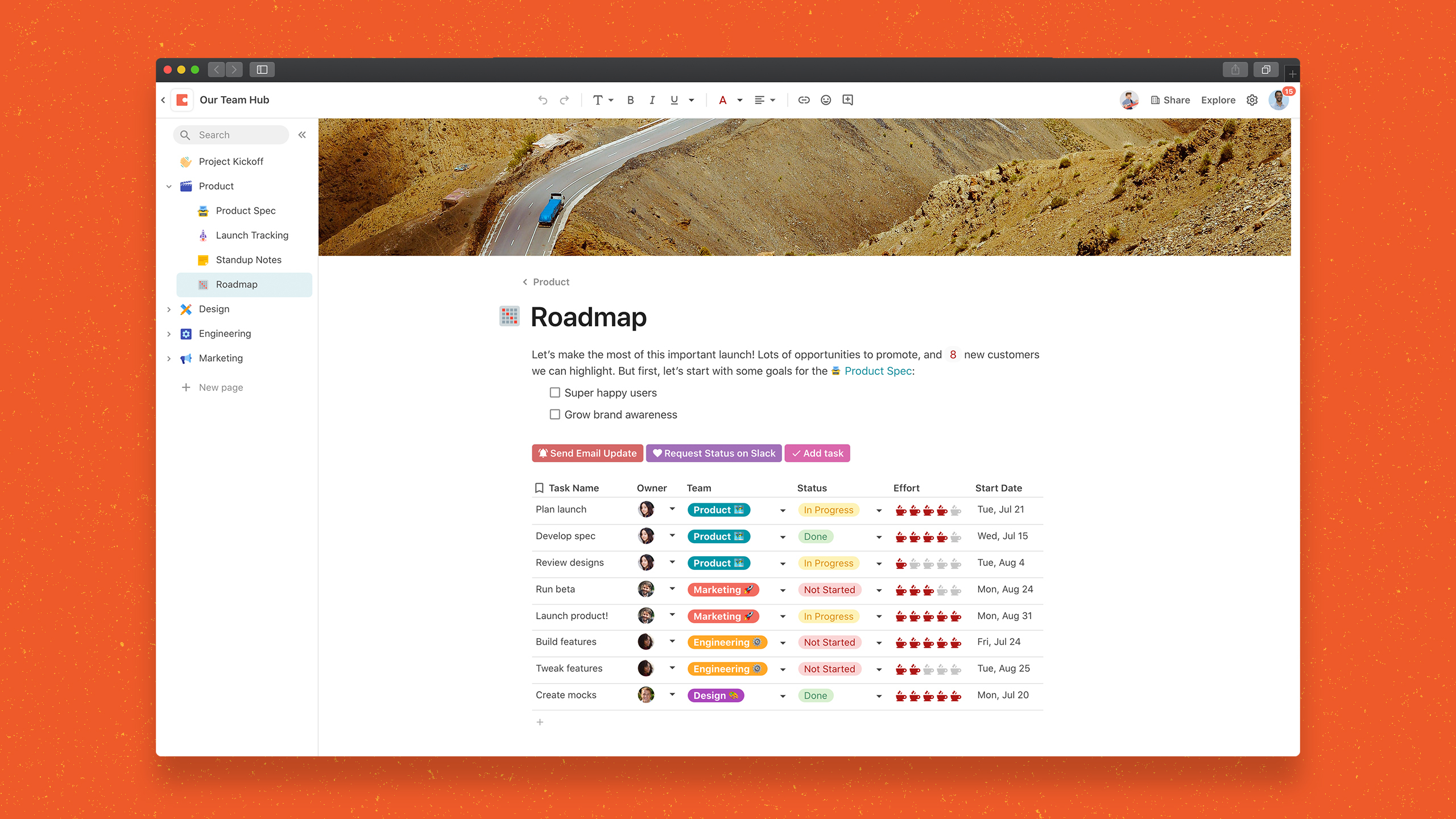  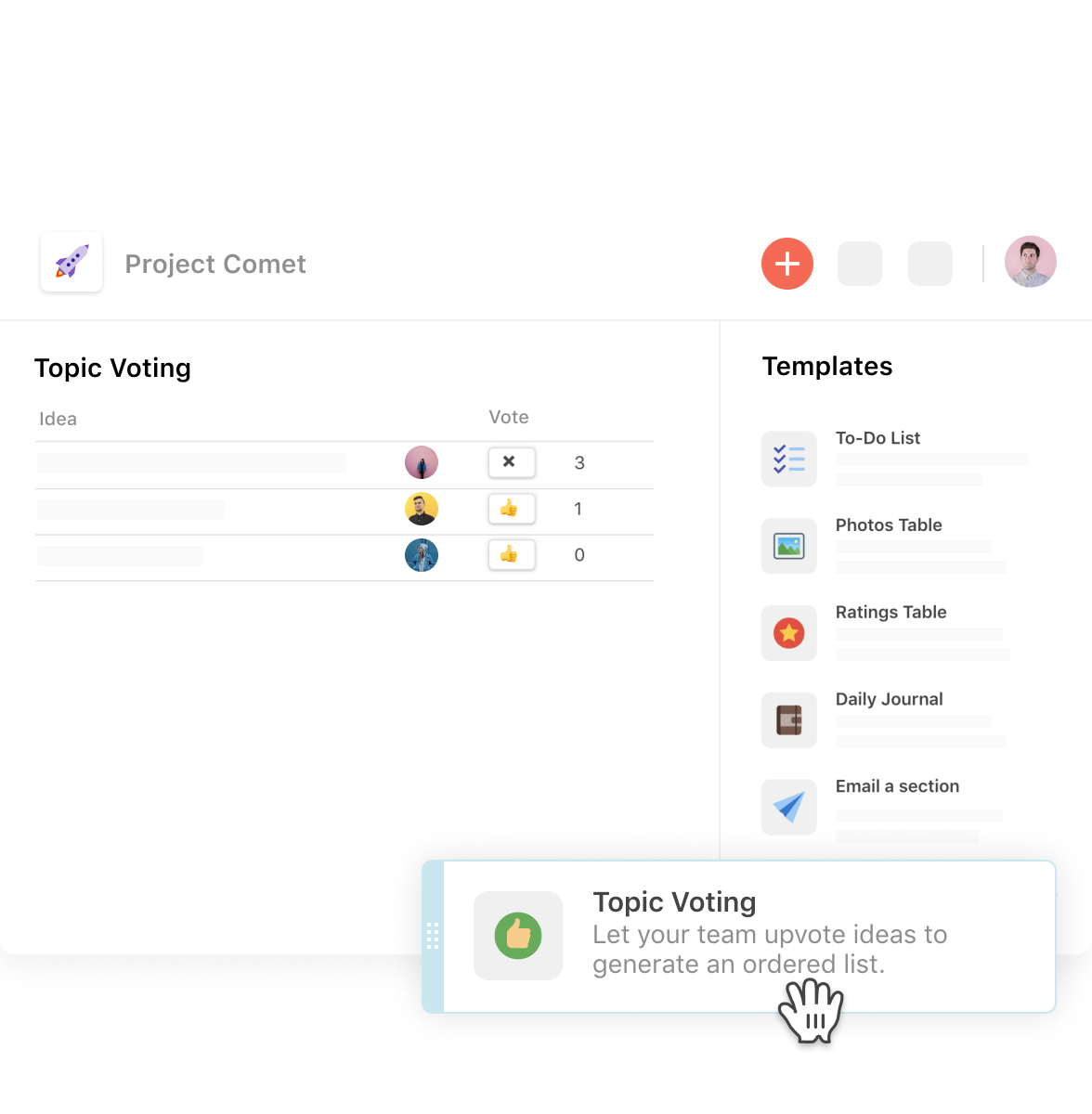 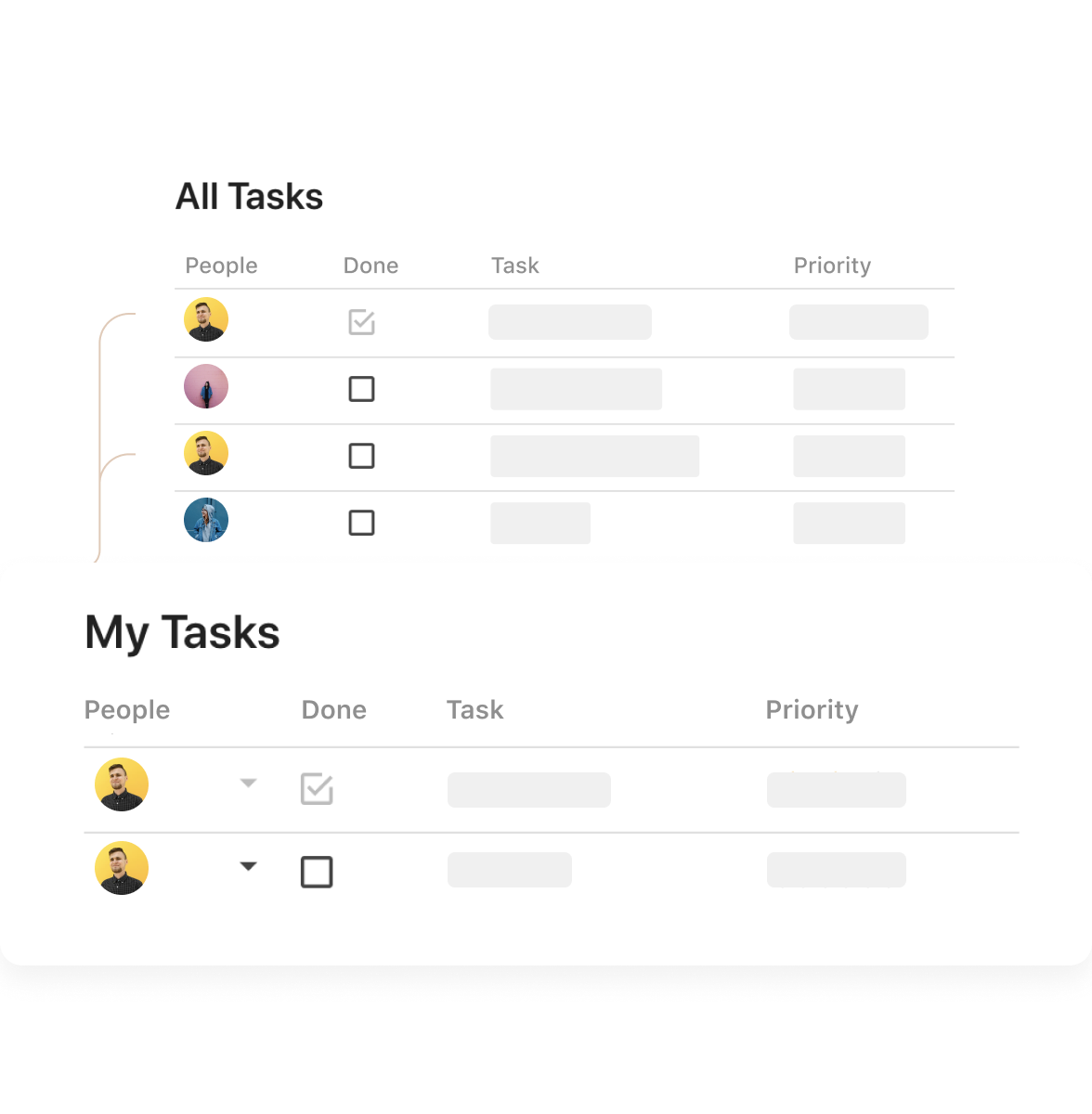  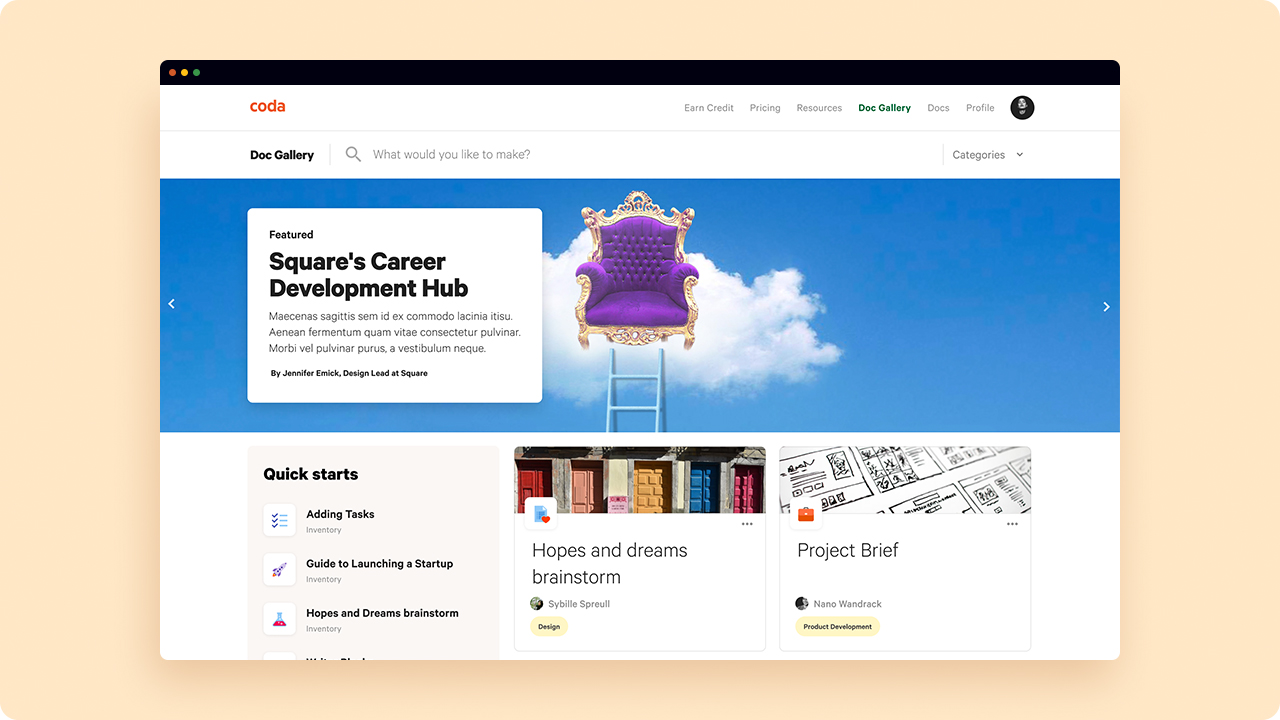 |
