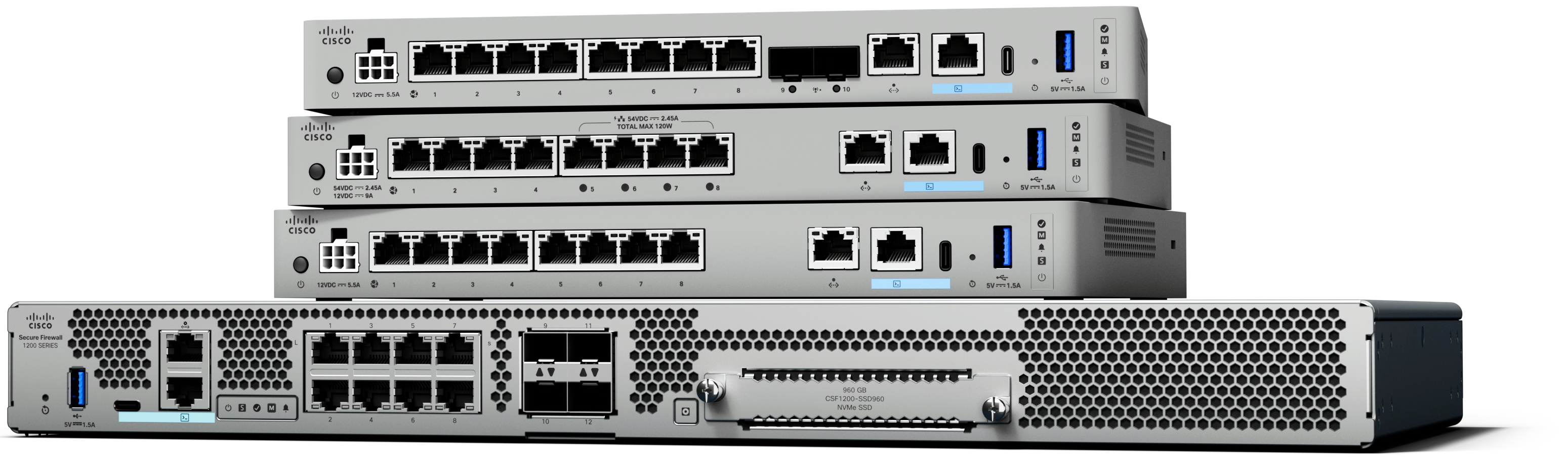
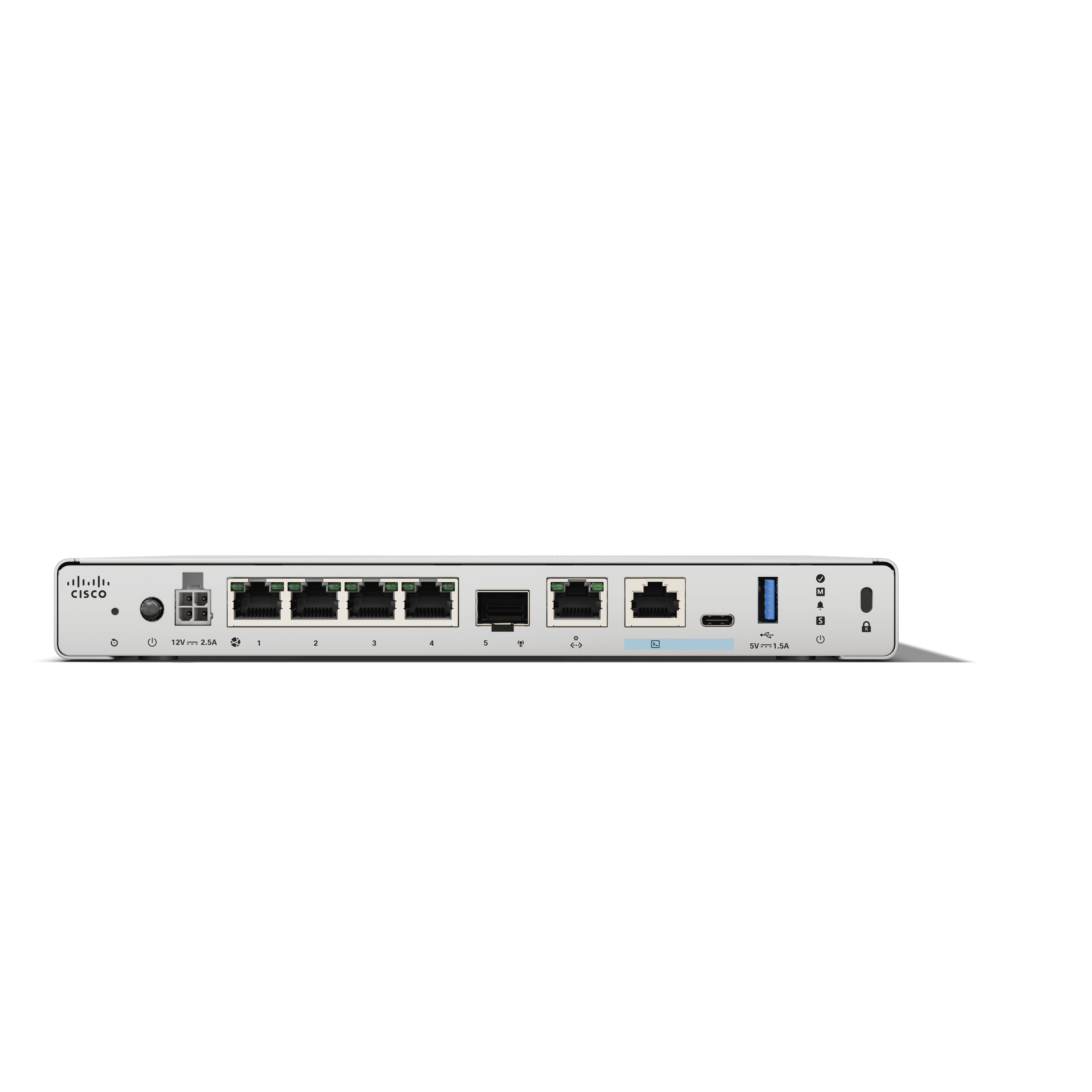


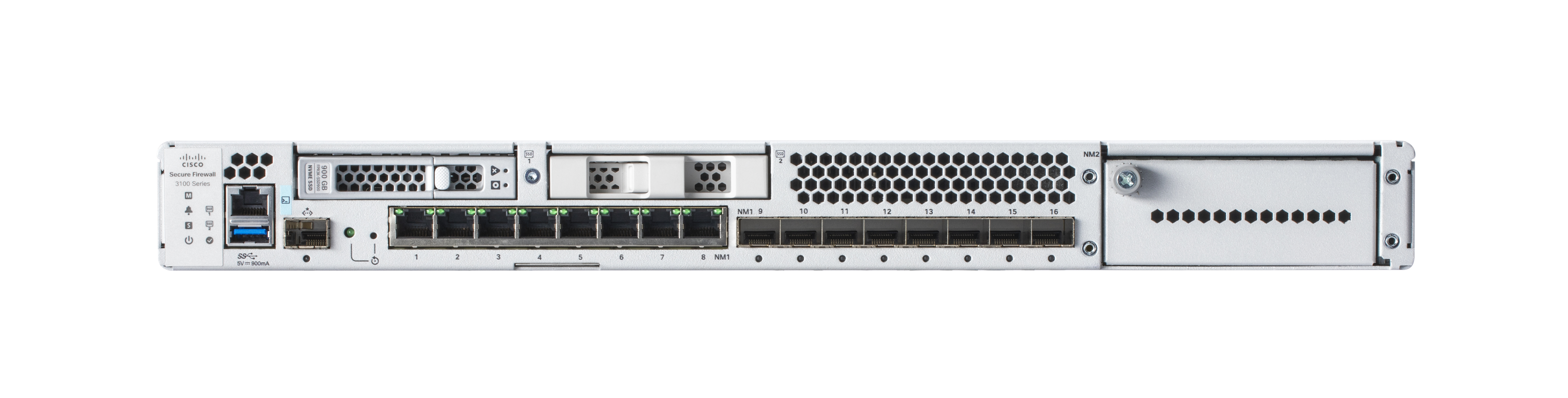


200 hours back no breaches one uninterrupted connection.

Use Cases and Deployment Scope
Working at Coitiar, where we support hundreds of Industrial Engineers, our IT team needed a reliable system to secure the network and provide consistent access to technical documentation, certification systems, and the PEGASSO platform. Previously, we experienced outages during critical submissions and latency issues when members were verifying installations. However, with the Cisco secure framework in place, we no longer face those problems. Our team no longer has to worry about perimeter security, allowing us to focus on keeping our engineers connected to the systems they rely on.
Pros
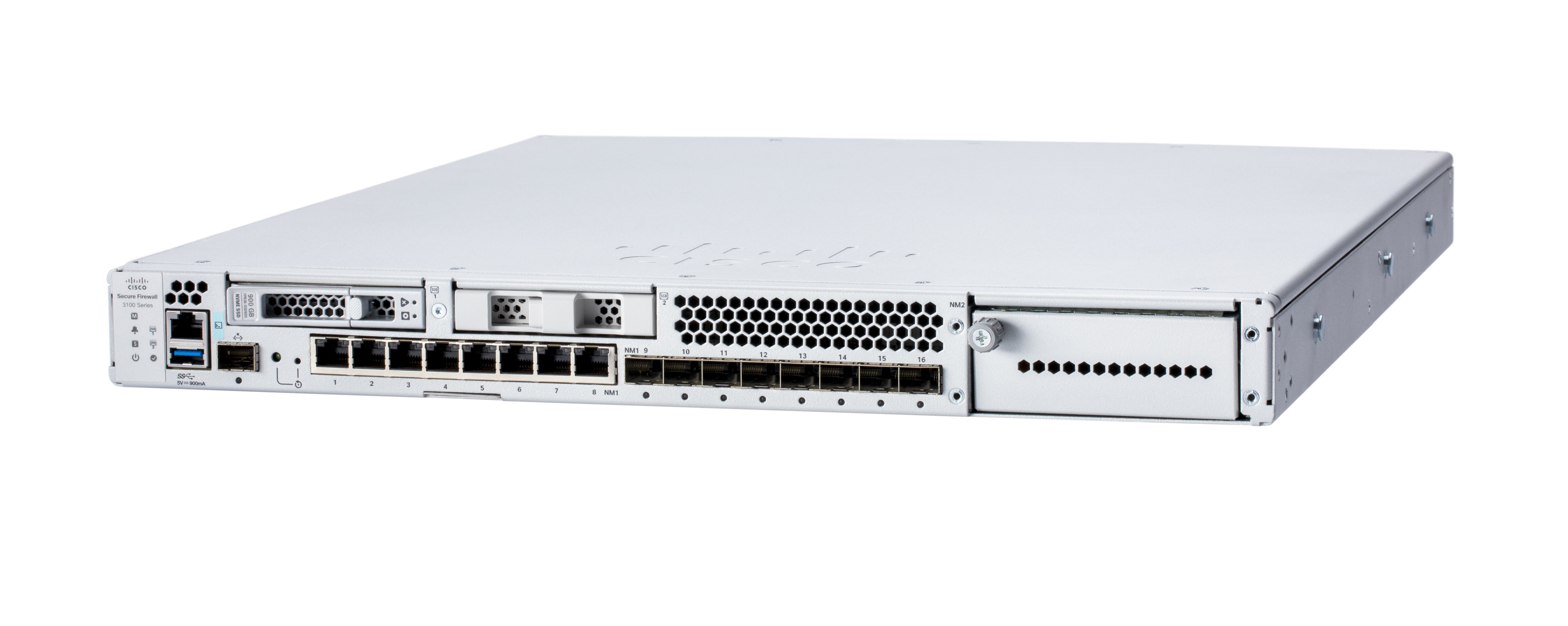
- Cisco's firewall actually does its job of blocking what it is supposed to block. We had an old Firewall that led to slippages. Cisco catches 97% of malware and vulnerabilities during testing. For Coitiar, that means an engineer who clicks a link with malware is handled quickly.
- We actually tested if failovers would affect running sessions. We pulled our primary unit during a certification submission period. The firewall just switched, and the connection kept running.
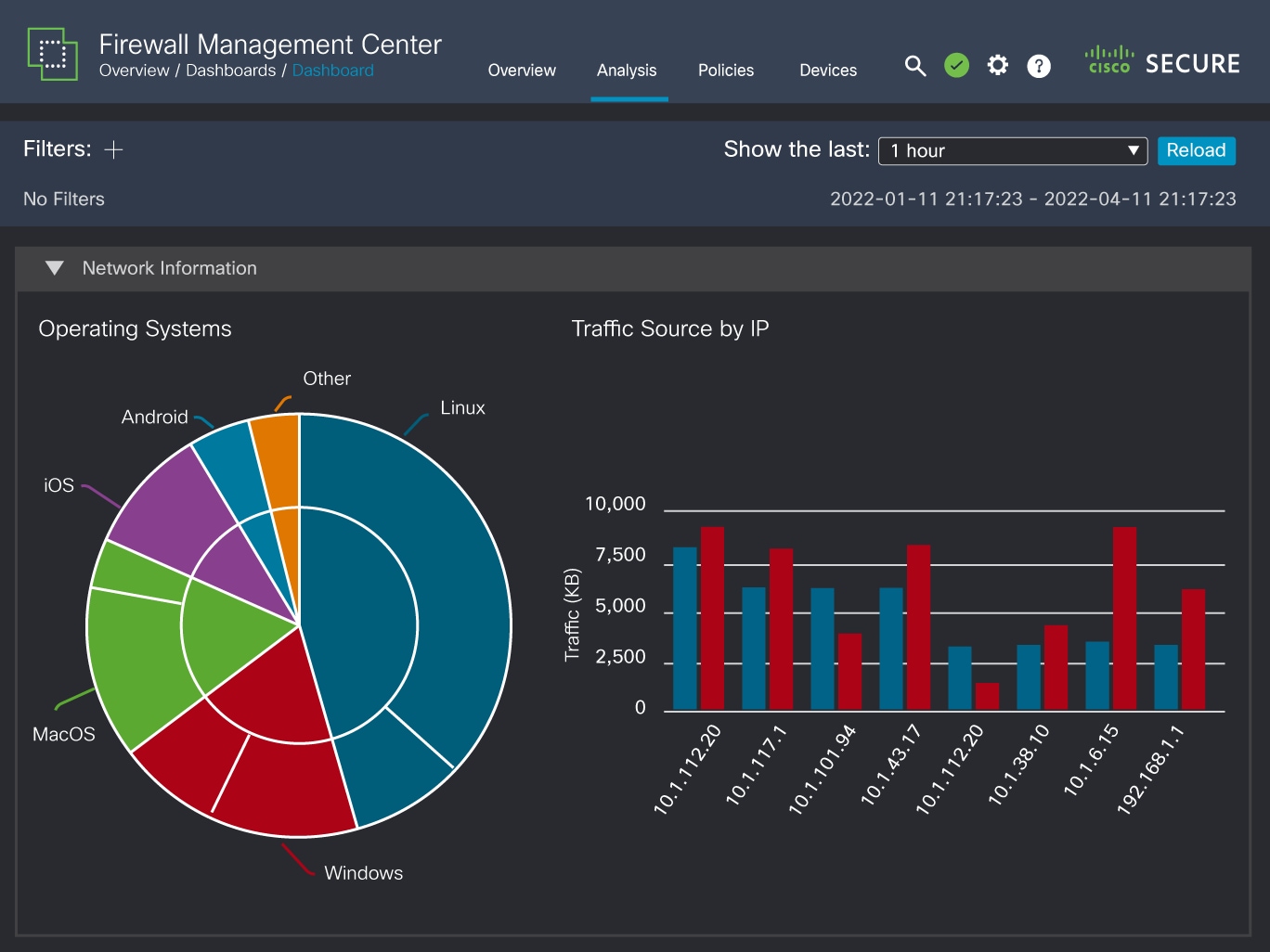
- The AI assistant in policy management is excellent, and for our lean team, it makes the whole process easy and efficient. I don't have to audit 200 policies manually; the AI steps in and does its thing.
Cons
- I feel the management interface feels slow and not that intuitive. Clicking policies and saving changes while waiting for deployments is not slow, but it is not snappy either.
- For us, we run active standbys for resilience, and Cisco charges for both units, even if they sit unused. I feel like a fairer HA licensing model would be much better.
- Learning about critical system vulnerabilities the hard way from Security outlets, not Cisco itself. This needs improvement.
Return on Investment
- We saved roughly 200 hours across our three shared units last year. That's raw statistics: our engineers had time to improve members' services instead of wrestling with rule bases.
- Our members submit installation documents to the Aragon Government on tight schedules. Our old firewall dropped sessions often while the engineers were in the middle of submissions; the results were pure frustration and a loss of trust. With Cisco, we estimate 85% boost in trust, reliability, and productivity.
- The years we have used Cisco Secure Firewall have saved us thousands of dollars in costs we would have incurred in the event of a ransomware attack or other threat.