
Intermapper vs. Splunk Observability Cloud
Intermapper vs. Splunk Observability Cloud
| Product | Rating | Most Used By | Product Summary | Starting Price |
|---|---|---|---|---|
 Intermapper | N/A | Intermapper is a network monitoring and mapping software for hybrid environments. Intermapper provides real-time performance alerts and bandwidth monitoring with cross-platform functionality. | N/A | |
 Splunk Observability Cloud | N/A | Splunk Observability Cloud aims to enable operational agility and better customer experience through real-time AI-driven streaming analytics allowing accurate alerts in seconds. It is designed to shorten MTTD and MTTR by providing real-time visibility into cloud infrastructure and services. | $180 per year per host |
| Intermapper | Splunk Observability Cloud | |||||||||||||||
|---|---|---|---|---|---|---|---|---|---|---|---|---|---|---|---|---|
| Editions & Modules | No answers on this topic |
| ||||||||||||||
| Offerings |
| |||||||||||||||
| Entry-level Setup Fee | Optional | No setup fee | ||||||||||||||
| Additional Details | Intermapper pricing is based on number of devices monitored. Intermapper is free for 5 devices or less. Subscription pricing starts at $303 for 25 devices. Device-based pricing starts at $765 for 25 devices. | — | ||||||||||||||
| More Pricing Information | ||||||||||||||||
| Intermapper | Splunk Observability Cloud |
|---|
| Intermapper | Splunk Observability Cloud | ||||||||||||||||||||||||||||||
|---|---|---|---|---|---|---|---|---|---|---|---|---|---|---|---|---|---|---|---|---|---|---|---|---|---|---|---|---|---|---|---|
| Network Performance Monitoring |
|
| Intermapper | Splunk Observability Cloud | |
|---|---|---|
| Small Businesses |  NinjaOne Score 9.1 out of 10 |  InfluxDB Score 8.8 out of 10 |
| Medium-sized Companies |  SolarWinds NetFlow Traffic Analyzer (NTA) Score 9.3 out of 10 |  Sumo Logic Score 9.3 out of 10 |
| Enterprises | SolarWinds NetFlow Traffic Analyzer (NTA) Score 9.3 out of 10 |  NetBrain Technologies Score 9.2 out of 10 |
| All Alternatives | View all alternatives | View all alternatives |
| Intermapper | Splunk Observability Cloud | |
|---|---|---|
| Likelihood to Recommend | 8.0 (9 ratings) | 7.7 (57 ratings) |
| Likelihood to Renew | - (0 ratings) | 7.0 (2 ratings) |
| Usability | - (0 ratings) | 7.7 (16 ratings) |
| Support Rating | 9.0 (1 ratings) | 10.0 (1 ratings) |
| Implementation Rating | - (0 ratings) | 10.0 (1 ratings) |
| Intermapper | Splunk Observability Cloud | |
|---|---|---|
| Likelihood to Recommend |  Fortra
|  Cisco
|
| Pros | Fortra
 Jim Cobb Director of IT | Cisco
|
| Cons | Fortra
| Cisco
|
| Likelihood to Renew | Fortra No answers on this topic | Cisco
|
| Usability | Fortra No answers on this topic | Cisco
|
| Support Rating | Fortra
| Cisco
 Giuseppe Cusello GRC Director |
| Implementation Rating | Fortra No answers on this topic | Cisco
Giuseppe Cusello GRC Director |
| Alternatives Considered | Fortra
| Cisco
 David Williams CIO (Chief Information Officer) |
| Return on Investment | Fortra
 Dan Pelton Network Engineer | Cisco
|
| ScreenShots | Intermapper Screenshots   | Splunk Observability Cloud Screenshots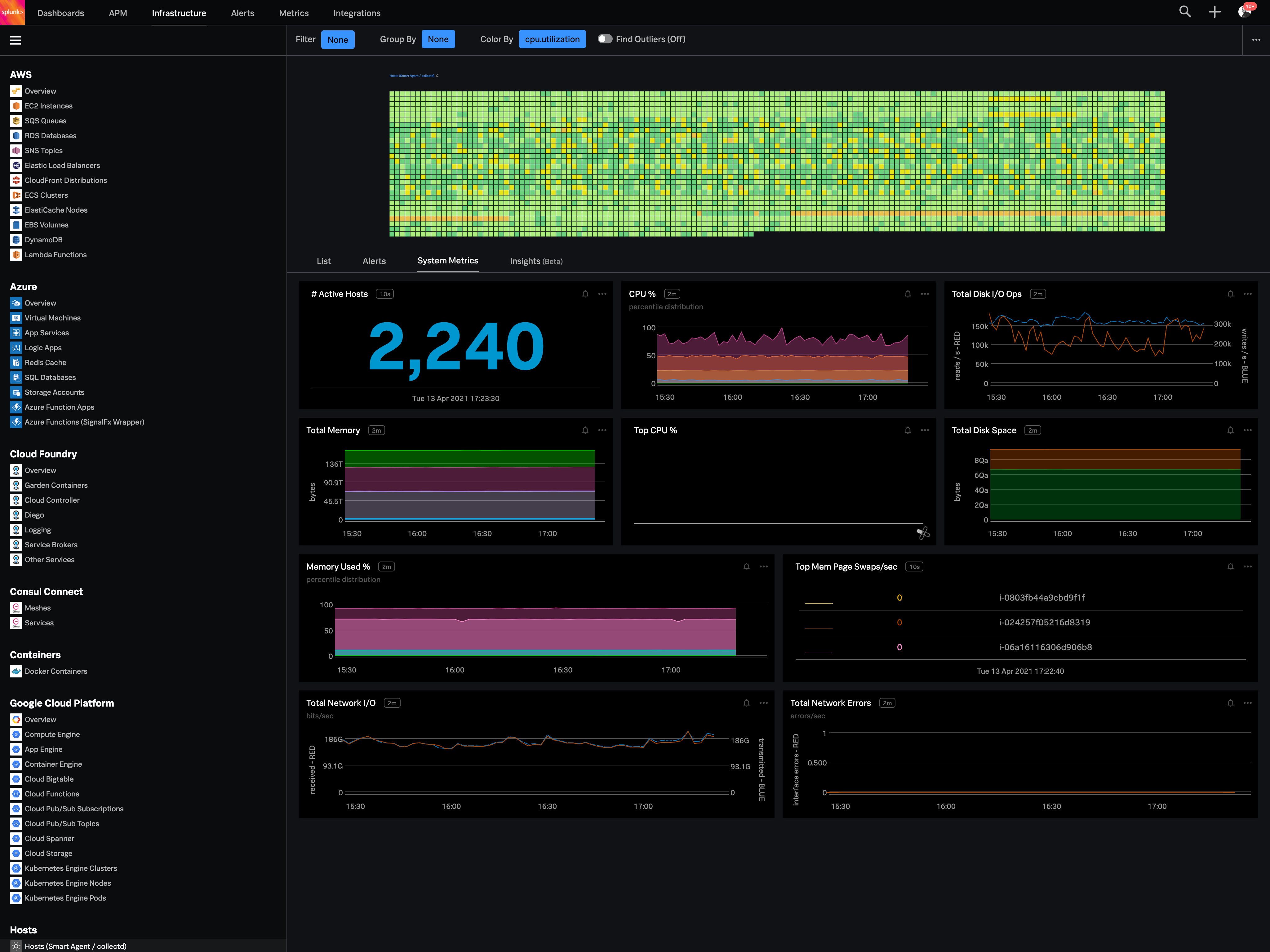 |