
Sheryl Villaroman
President
Chose Akamai Cloud Computing
AWS Instance, AWS S3 Bucket, and other AWS Services. Linode is more cost-efficient, easier to deploy servers.

| Product | Rating | Most Used By | Product Summary | Starting Price |
|---|---|---|---|---|
 Akamai Cloud Computing | N/A | Akamai Cloud Computing (formerly Linode) include scalable and accessible Linux cloud solutions and services. These products and services support developers and enterprises as they build, deploy, secure, and scale applications. | $5 per month | |
 AWS Cloud9 | N/A | AWS Cloud9 is a cloud-based integrated development environment (IDE) used to write, run, and debug code with just a browser. It includes a code editor, debugger, and terminal. Cloud9 comes prepackaged with essential tools for popular programming languages, including JavaScript, Python, and PHP, with no need to install files or configure a development machine to start new projects. | N/A |
| Akamai Cloud Computing | AWS Cloud9 | |||||||||||||||
|---|---|---|---|---|---|---|---|---|---|---|---|---|---|---|---|---|
| Editions & Modules | No answers on this topic | No answers on this topic | ||||||||||||||
| Offerings |
| |||||||||||||||
| Entry-level Setup Fee | Optional | No setup fee | ||||||||||||||
| Additional Details | CPU, transfer, storage, and RAM are bundled into one price. Storage capacity can be increased with additional Block Storage or S3-compatible Object Storage. Instant Backups can be added with complete independence to the stack. Linode NodeBalancers ensure applications are available. | — | ||||||||||||||
| More Pricing Information | ||||||||||||||||
| Akamai Cloud Computing | AWS Cloud9 | |
|---|---|---|
| Considered Both Products |  Akamai Cloud Computing Sheryl Villaroman President Chose Akamai Cloud Computing AWS Instance, AWS S3 Bucket, and other AWS Services. Linode is more cost-efficient, easier to deploy servers. | AWS Cloud9 No answer on this topic |
| Akamai Cloud Computing | AWS Cloud9 | |
|---|---|---|
| Small Businesses |  DigitalOcean Droplets Score 9.4 out of 10 |  PyCharm Score 9.2 out of 10 |
| Medium-sized Companies |  SAP on IBM Cloud Score 9.0 out of 10 | PyCharm Score 9.2 out of 10 |
| Enterprises | SAP on IBM Cloud Score 9.0 out of 10 | PyCharm Score 9.2 out of 10 |
| All Alternatives | View all alternatives | View all alternatives |
| Akamai Cloud Computing | AWS Cloud9 | |
|---|---|---|
| Likelihood to Recommend | 8.3 (218 ratings) | 7.0 (9 ratings) |
| Likelihood to Renew | 9.2 (30 ratings) | - (0 ratings) |
| Usability | 8.8 (22 ratings) | 8.0 (3 ratings) |
| Availability | 8.3 (4 ratings) | - (0 ratings) |
| Performance | 8.2 (4 ratings) | - (0 ratings) |
| Support Rating | 9.1 (217 ratings) | 8.0 (2 ratings) |
| Online Training | 8.2 (1 ratings) | - (0 ratings) |
| Implementation Rating | 8.5 (12 ratings) | - (0 ratings) |
| Configurability | 9.1 (3 ratings) | - (0 ratings) |
| Ease of integration | 9.1 (2 ratings) | - (0 ratings) |
| Product Scalability | 9.1 (4 ratings) | - (0 ratings) |
| Vendor post-sale | 9.1 (2 ratings) | - (0 ratings) |
| Vendor pre-sale | 9.1 (3 ratings) | - (0 ratings) |
| Akamai Cloud Computing | AWS Cloud9 | |
|---|---|---|
| Likelihood to Recommend | Akamai
| Amazon AWS
 Javier Guerrero Sr data engineer |
| Pros | Akamai
 Eric Mintz CEO | Amazon AWS
 maría jose gonzalez ortiz Software Developer |
| Cons | Akamai
| Amazon AWS
 Fedor Paretsky Co-Founder/CEO |
| Likelihood to Renew | Akamai
| Amazon AWS No answers on this topic |
| Usability | Akamai
 Erik Rothoff Andersson Founder | Amazon AWS
|
| Reliability and Availability | Akamai
| Amazon AWS No answers on this topic |
| Performance | Akamai
Erik Rothoff Andersson Founder | Amazon AWS No answers on this topic |
| Support Rating | Akamai
 Osama Khan Support Specialist | Amazon AWS
|
| Online Training | Akamai
| Amazon AWS No answers on this topic |
| Implementation Rating | Akamai
| Amazon AWS No answers on this topic |
| Alternatives Considered | Akamai
| Amazon AWS
|
| Scalability | Akamai
| Amazon AWS No answers on this topic |
| Return on Investment | Akamai
 Arthur Furlan CEO & Co-founder | Amazon AWS
 Hanna Bedoya Software Developer |
| ScreenShots | Akamai Cloud Computing Screenshots   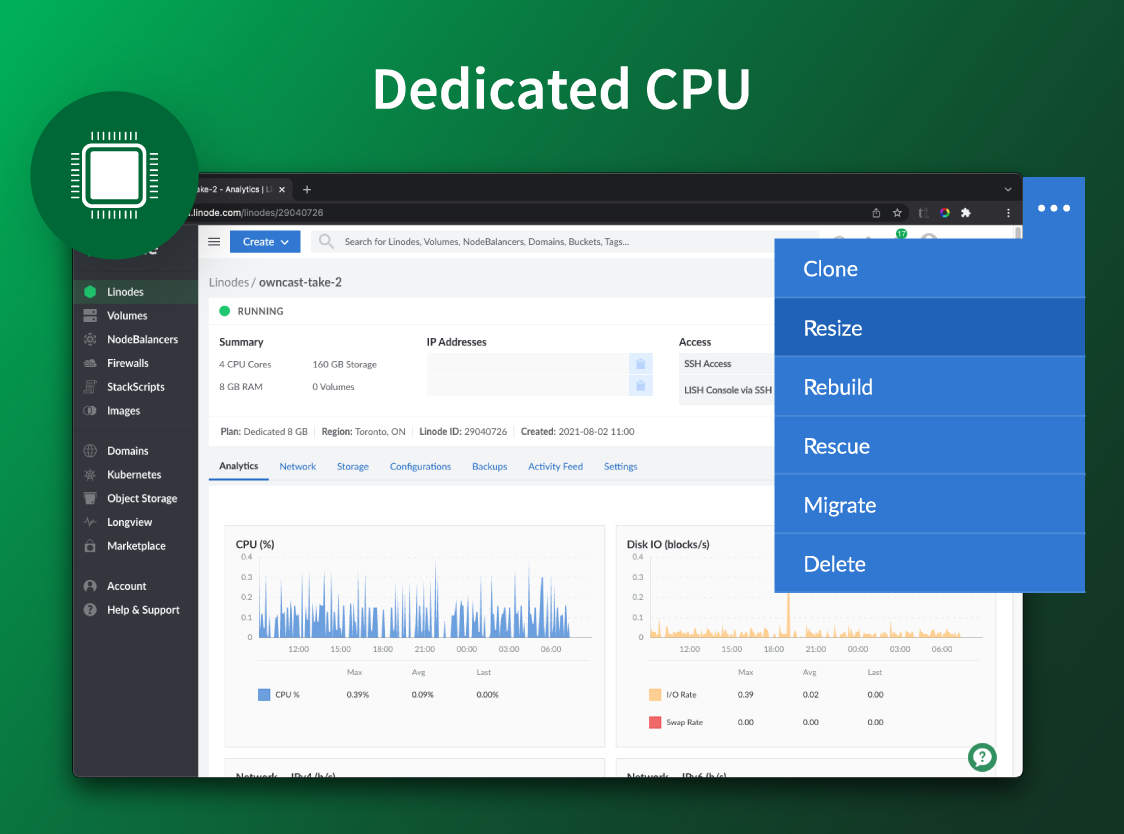 |