
Anson Abraham
Data Lord
Chose Looker

| Product | Rating | Most Used By | Product Summary | Starting Price |
|---|---|---|---|---|
 Looker | N/A | Looker is a BI application with an analytics-oriented application server that sits on top of relational data stores. It includes an end-user interface for exploring data, a reusable development paradigm for data discovery, and an API for supporting data in other systems. | N/A | |
 Microsoft BI (MSBI) | N/A | Microsoft BI is a business intelligence product used for data analysis and generating reports on server-based data. It features unlimited data analysis capacity with its reporting engine, SQL Server Reporting Services alongside ETL, master data management, and data cleansing. | $14 per month per user | |
 QlikView | N/A | QlikView® is Qlik®’s original BI offering designed primarily for shared business intelligence reports and data visualizations. It offers guided exploration and discovery, collaborative analytics for sharing insight, and agile development and deployment. | N/A |
| Looker | Microsoft BI (MSBI) | QlikView | ||||||||||||||||||||||
|---|---|---|---|---|---|---|---|---|---|---|---|---|---|---|---|---|---|---|---|---|---|---|---|---|
| Editions & Modules | No answers on this topic |
|
| |||||||||||||||||||||
| Offerings |
| |||||||||||||||||||||||
| Entry-level Setup Fee | Required | No setup fee | Optional | |||||||||||||||||||||
| Additional Details | Must contact sales team for pricing. | — | On an perpetual license basis, based on server plus number of users. Contact vendor for pricing. | |||||||||||||||||||||
| More Pricing Information | ||||||||||||||||||||||||
| Looker | Microsoft BI (MSBI) | QlikView | |
|---|---|---|---|
| Considered Multiple Products |  Looker Anson Abraham Data Lord Chose Looker  Newaz Chowdhury Marketing Executive Chose Looker Looker is a free and easier analytics and dashboard tool. It provides enough data and features to get things done and analyze marketing data. The other tools have more advanced features and are more suited for other things besides marketing.  Thomas Holland Senior Manager of Digital Paid Marketing Chose Looker Looker Studio is not as robust as Tableau or Microsoft BI. So it does not provide quite as much insight or depth and it has more limitations overall then the other major reporting products. However, it is also free and connects perfectly with other Google products. Plus, all of …  David Mynář Head Of Online Marketing Chose Looker Looker is web based app and much easier to use.¨ON the othe hand Power BI offers robust integration with Microsoft products (like Azure, SQL Server, and Excel) and a wide range of other data sources. Power BI's ability to seamlessly connect and import data from these sources is …  Shelby Bowden Graduate Research Assistant Chose Looker Looker provides really excellent customer service in comparison to other similar products. The sharing aspect of Looker is also a big plus, which allows multiple users to access the data at the same time. We have also found it to stand out among competitors with its dashboard …  Purav Vaidya Vice President, Mobile technology Chose Looker Looker stacks up very well against the other tools we have evaluated and used. All the tools have their own pros and cons. Looker had a better edge in terms of visualizations when we chose to use it. After several updates, other tools began to have newer features. Looker still …  Henri Allik Analyst Chose Looker
 Mohammed Anzil Founder and Chief Editor Chose Looker I think working on Looker could be hard, but in performance, it can easily overtake Wave and Zoho Reports. The flexibility of the system and it being super fast makes Looker a standalone from other similar software. |  Microsoft BI (MSBI) Shelby Bowden Graduate Research Assistant Chose Microsoft BI (MSBI) Specific data displays are some of the strongest aspects of Microsoft BI when compared to alternate programs. It also does a superior job in compatibility with many programs, especially those from Microsoft. Since my company primarily uses Office 365 and other Microsoft …  Yemsi Pino Planificador Territorial II Chose Microsoft BI (MSBI) The software stacks [well] because it has more graphics resolution and the colors are fresh and actualized. On the other hand, there is the Microsoft family software and this is an advantage. Microsoft has a lot of users around the world and it's like everyone knows how to do …  Alexander Lubyansky Technical Leader for Modeling and Simulation Chose Microsoft BI (MSBI) Looking at the visualization portion of BI, there are three types of tools.
 Boris Skylar Vice President, Application Systems Chose Microsoft BI (MSBI) Oracle |  QlikView  David Worrell CFO (Chief Financial Officer) Chose QlikView I was forced into QV by QuickBooks -- I did not have the opportunity to evaluate it specifically against other packages. I have, however, seen Microsoft BI and BIRST --- both of which seem much more expensive (and perhaps complex) than QlikView. But I'm conjecturing a bit here. |
| Looker | Microsoft BI (MSBI) | QlikView | |||||||||||||||||||||||||||
|---|---|---|---|---|---|---|---|---|---|---|---|---|---|---|---|---|---|---|---|---|---|---|---|---|---|---|---|---|---|
| BI Standard Reporting |
| ||||||||||||||||||||||||||||
| Ad-hoc Reporting |
| ||||||||||||||||||||||||||||
| Report Output and Scheduling |
| ||||||||||||||||||||||||||||
| Data Discovery and Visualization |
| ||||||||||||||||||||||||||||
| Access Control and Security |
| ||||||||||||||||||||||||||||
| Mobile Capabilities |
| ||||||||||||||||||||||||||||
| Application Program Interfaces (APIs) / Embedding |
|
| Looker | Microsoft BI (MSBI) | QlikView | |
|---|---|---|---|
| Small Businesses |  Yellowfin Score 8.7 out of 10 | Yellowfin Score 8.7 out of 10 | Yellowfin Score 8.7 out of 10 |
| Medium-sized Companies |  Reveal Score 10.0 out of 10 | Reveal Score 10.0 out of 10 | Reveal Score 10.0 out of 10 |
| Enterprises |  Kyvos Semantic Layer Score 9.5 out of 10 | Kyvos Semantic Layer Score 9.5 out of 10 | Kyvos Semantic Layer Score 9.5 out of 10 |
| All Alternatives | View all alternatives | View all alternatives | View all alternatives |
| Looker | Microsoft BI (MSBI) | QlikView | |
|---|---|---|---|
| Likelihood to Recommend | 8.3 (132 ratings) | 9.9 (73 ratings) | 7.7 (88 ratings) |
| Likelihood to Renew | 9.3 (8 ratings) | 8.0 (25 ratings) | 8.8 (29 ratings) |
| Usability | 8.8 (12 ratings) | 10.0 (15 ratings) | 8.0 (15 ratings) |
| Availability | 10.0 (1 ratings) | 9.5 (2 ratings) | 9.8 (4 ratings) |
| Performance | 6.0 (1 ratings) | 7.0 (2 ratings) | 8.6 (4 ratings) |
| Support Rating | 8.8 (14 ratings) | 8.9 (15 ratings) | 3.3 (15 ratings) |
| In-Person Training | - (0 ratings) | 6.9 (3 ratings) | - (0 ratings) |
| Online Training | - (0 ratings) | 8.5 (2 ratings) | 8.0 (3 ratings) |
| Implementation Rating | 10.0 (1 ratings) | 9.6 (7 ratings) | 7.4 (13 ratings) |
| Configurability | 10.0 (1 ratings) | 10.0 (2 ratings) | - (0 ratings) |
| Contract Terms and Pricing Model | 10.0 (1 ratings) | - (0 ratings) | - (0 ratings) |
| Ease of integration | 10.0 (1 ratings) | - (0 ratings) | - (0 ratings) |
| Product Scalability | 10.0 (1 ratings) | - (0 ratings) | 8.9 (2 ratings) |
| Professional Services | 10.0 (1 ratings) | - (0 ratings) | - (0 ratings) |
| Vendor post-sale | 10.0 (1 ratings) | - (0 ratings) | - (0 ratings) |
| Vendor pre-sale | 10.0 (1 ratings) | - (0 ratings) | - (0 ratings) |
| Looker | Microsoft BI (MSBI) | QlikView | |
|---|---|---|---|
| Likelihood to Recommend | Google
 Daniel Dammerman Regional Sales Director | Microsoft
| Qlik
|
| Pros | Google
| Microsoft
 Nilufa Hossain IT Specialist | Qlik
 Jake Tolbert Director of Development - Data Services |
| Cons | Google
| Microsoft
| Qlik
|
| Likelihood to Renew | Google
| Microsoft
 Lee Cullom President | Qlik
 Debbie Pyykkonen, MBA Director of Business Analytics |
| Usability | Google
| Microsoft
| Qlik
|
| Reliability and Availability | Google
David Mynář Head Of Online Marketing | Microsoft
 Robert Goodman Director, Business Intelligence & Analytics | Qlik
 Bill Chamberlain Partner |
| Performance | Google
David Mynář Head Of Online Marketing | Microsoft
Robert Goodman Director, Business Intelligence & Analytics | Qlik
|
| Support Rating | Google
Anson Abraham Data Lord | Microsoft
 Jacob Saunders National Practice Director - Business Intelligence | Qlik
|
| In-Person Training | Google No answers on this topic | Microsoft
 Stephanie Grice Business Intelligence Analyst | Qlik
|
| Online Training | Google No answers on this topic | Microsoft
 Sean Brady Business Intelligence Architect | Qlik
Robert Goodman Director, Business Intelligence & Analytics |
| Implementation Rating | Google
David Mynář Head Of Online Marketing | Microsoft
Jacob Saunders National Practice Director - Business Intelligence | Qlik
David Worrell CFO (Chief Financial Officer) |
| Alternatives Considered | Google
| Microsoft
| Qlik
|
| Contract Terms and Pricing Model | Google
David Mynář Head Of Online Marketing | Microsoft No answers on this topic | Qlik No answers on this topic |
| Return on Investment | Google
| Microsoft
 Haibo Yang BI Reporting Specialist | Qlik
 Mark McHenry Marketing |
| ScreenShots | Looker Screenshots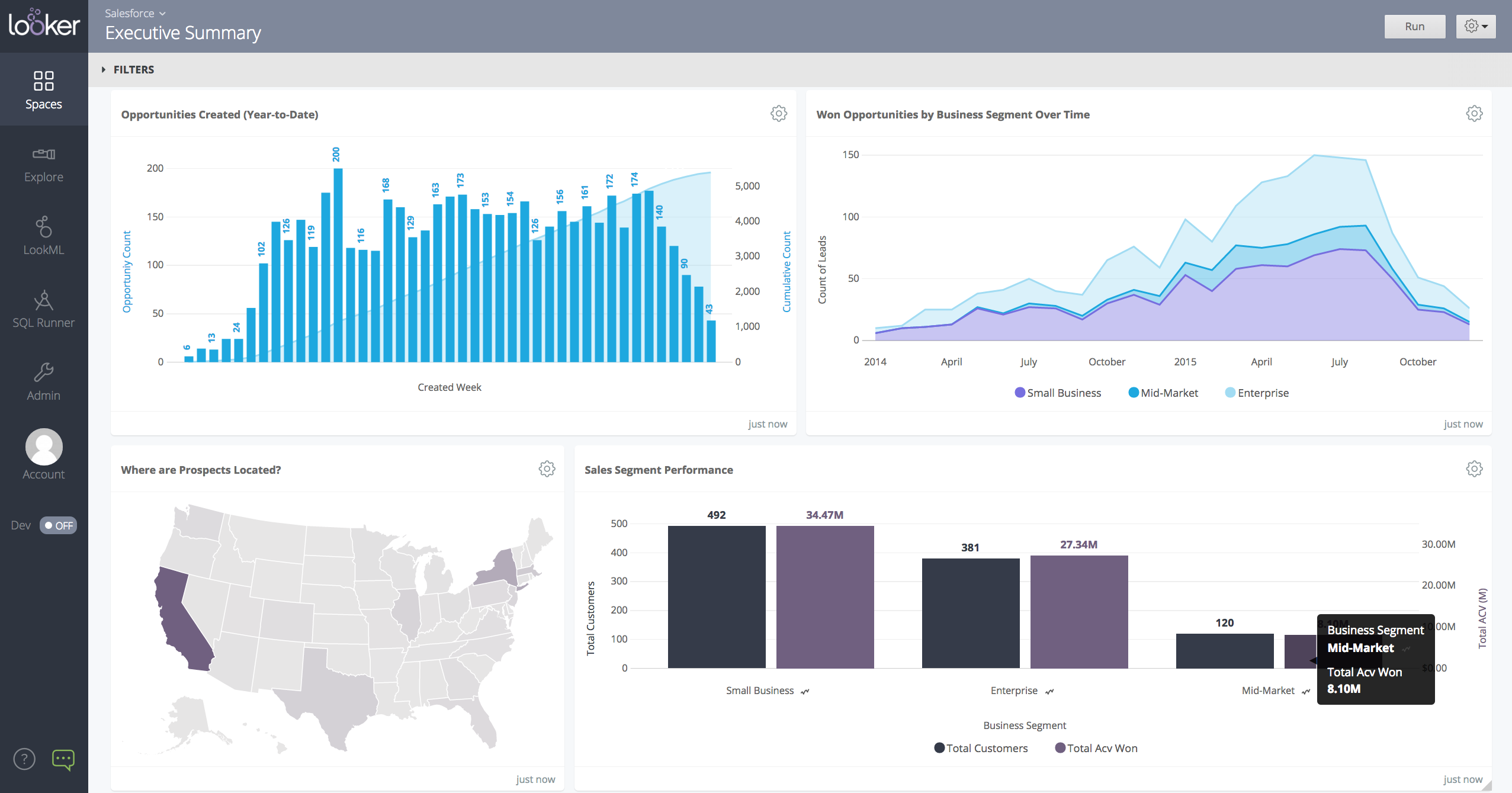 | QlikView Screenshots 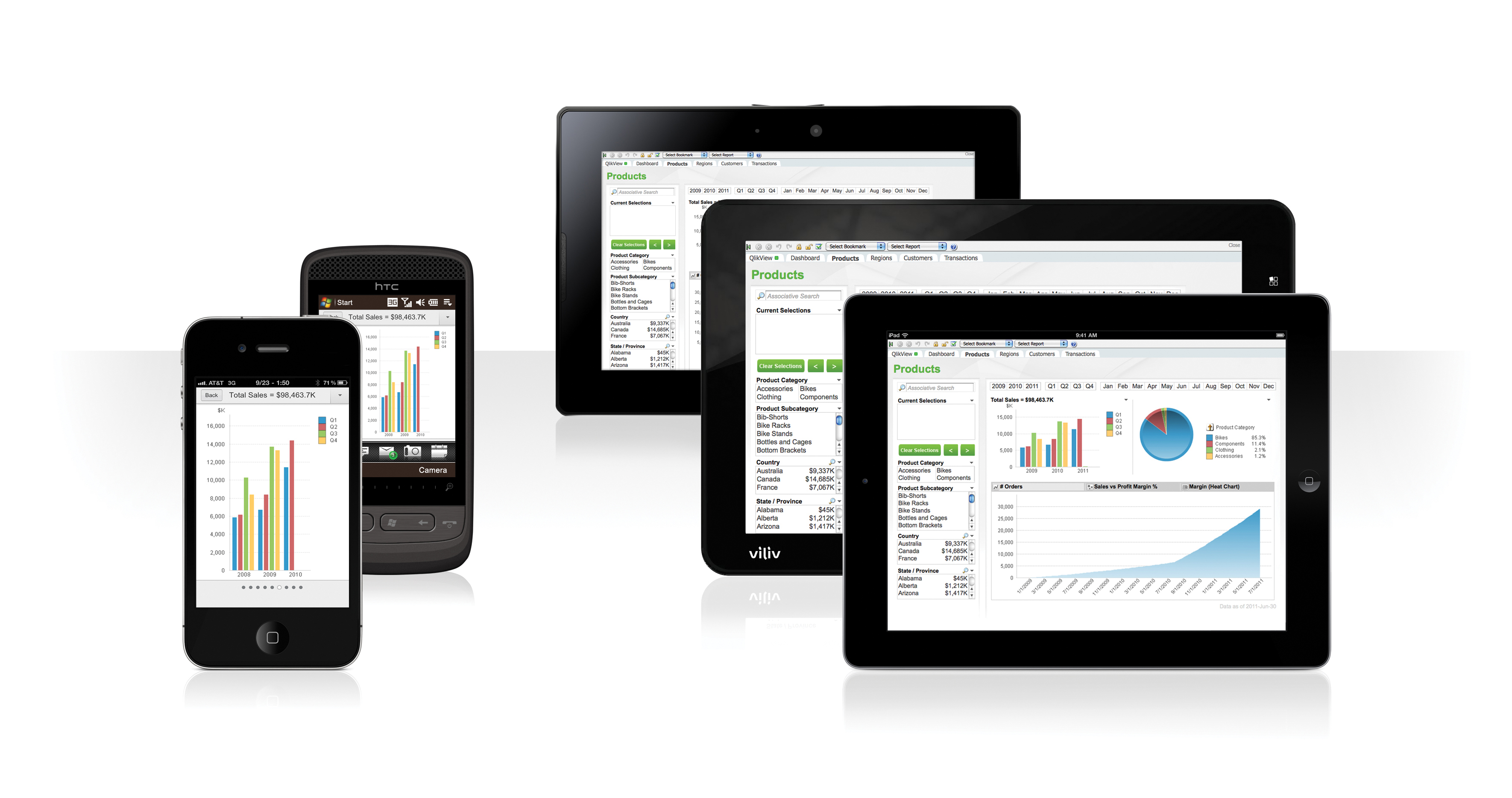 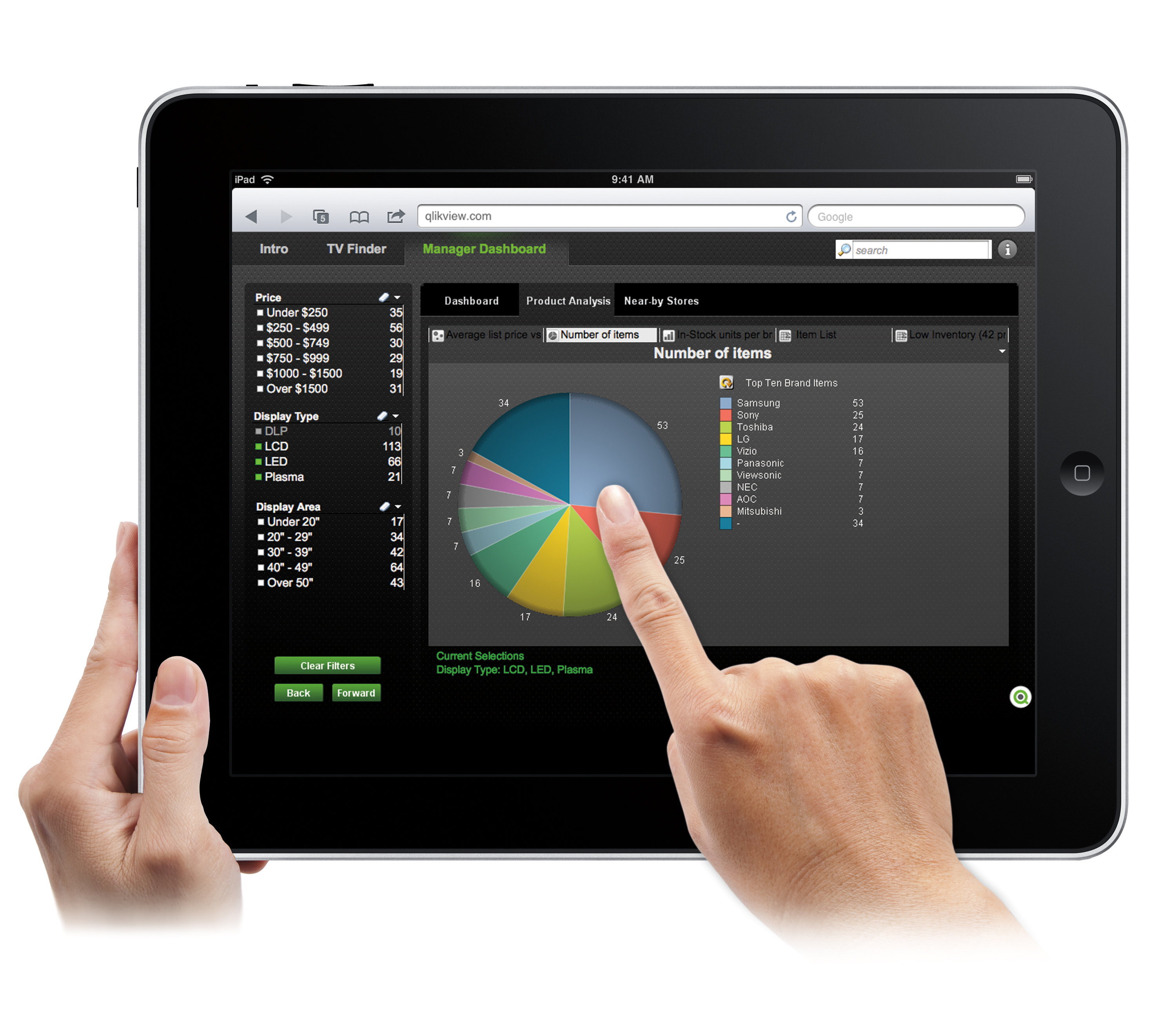 |